
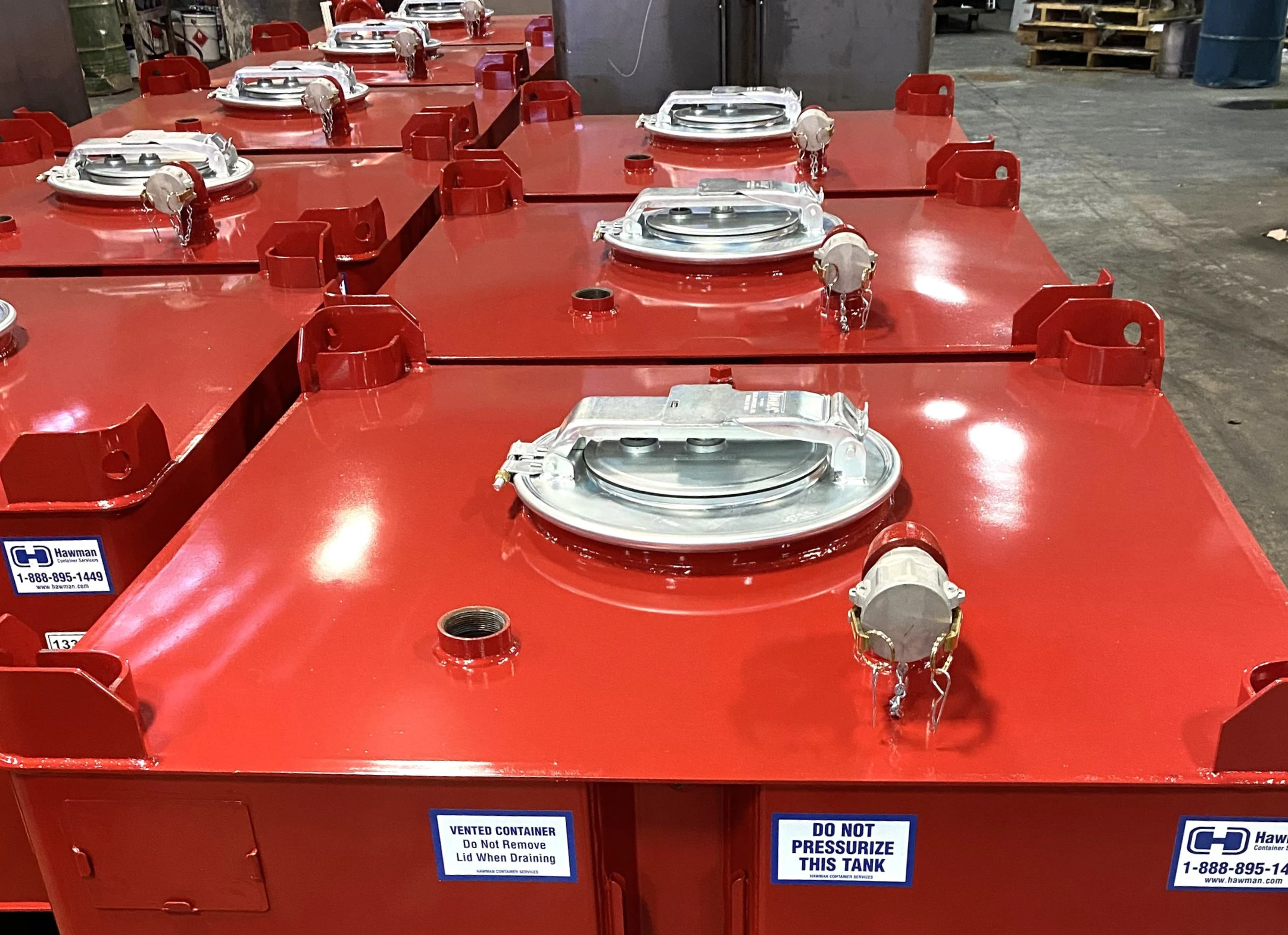
IBC Tote Tanks for Oil & Gas Storage, Fuels & Industrial Transport
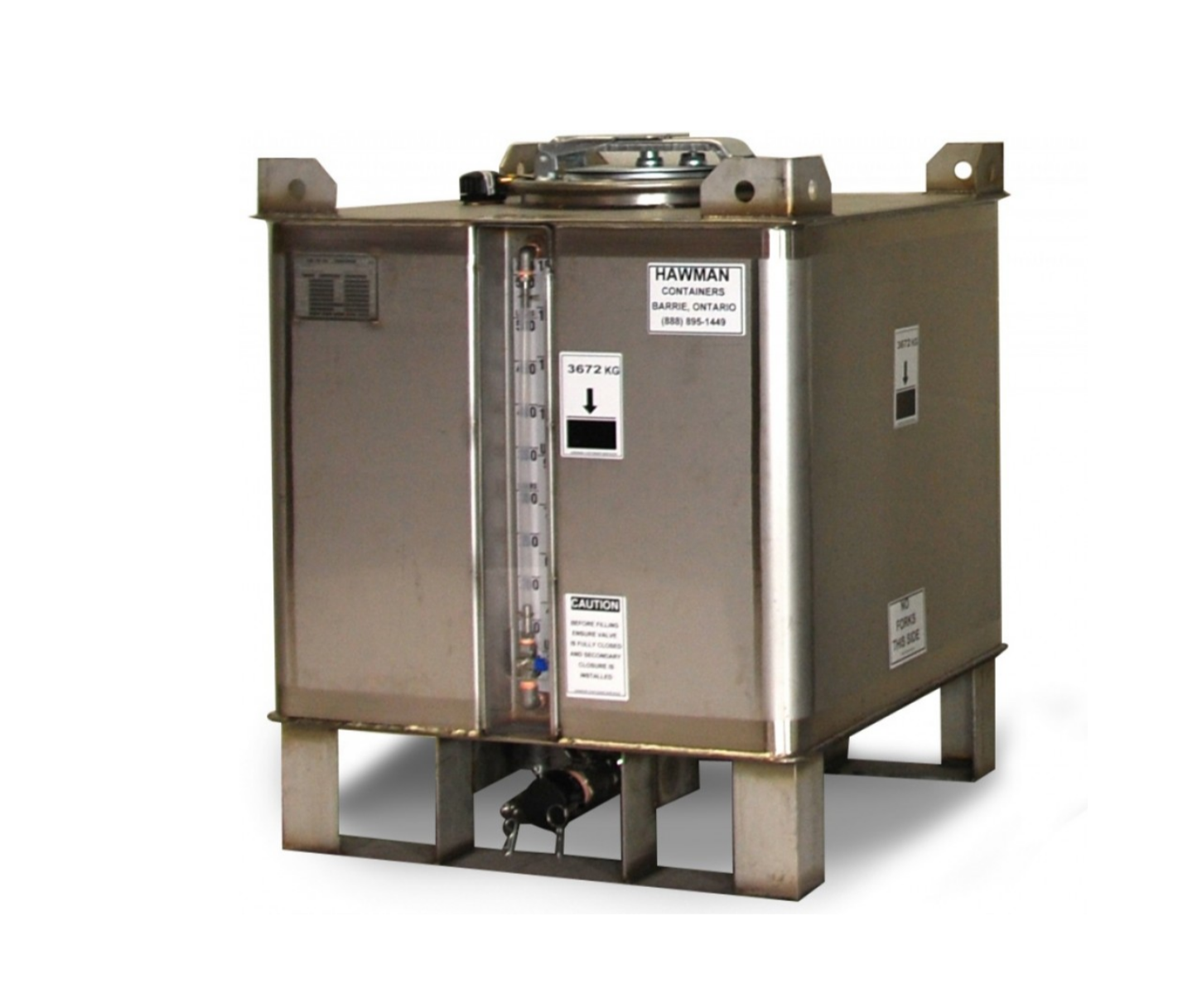
Heavy-Duty Engineered IBC Systems for Oilfield, Energy & High-Risk Industrial Applications
Hawman Container Services designs and manufactures UN-certified intermediate bulk containers (IBCs) for oil & gas operations, energy infrastructure, and industrial fluid handling across Canada and remote global sites.
Built for environments where operational downtime and leakage risk are not acceptable, our IBC systems are engineered for the safe transport and storage of fuels, lubricants, chemicals, and industrial liquids used in oilfield and energy operations.
✔ UN-certified IBC systems
✔ Engineered in Canada
✔ Mining, chemical & emulsion applications
✔ Custom builds available
✔ Fast engineering response



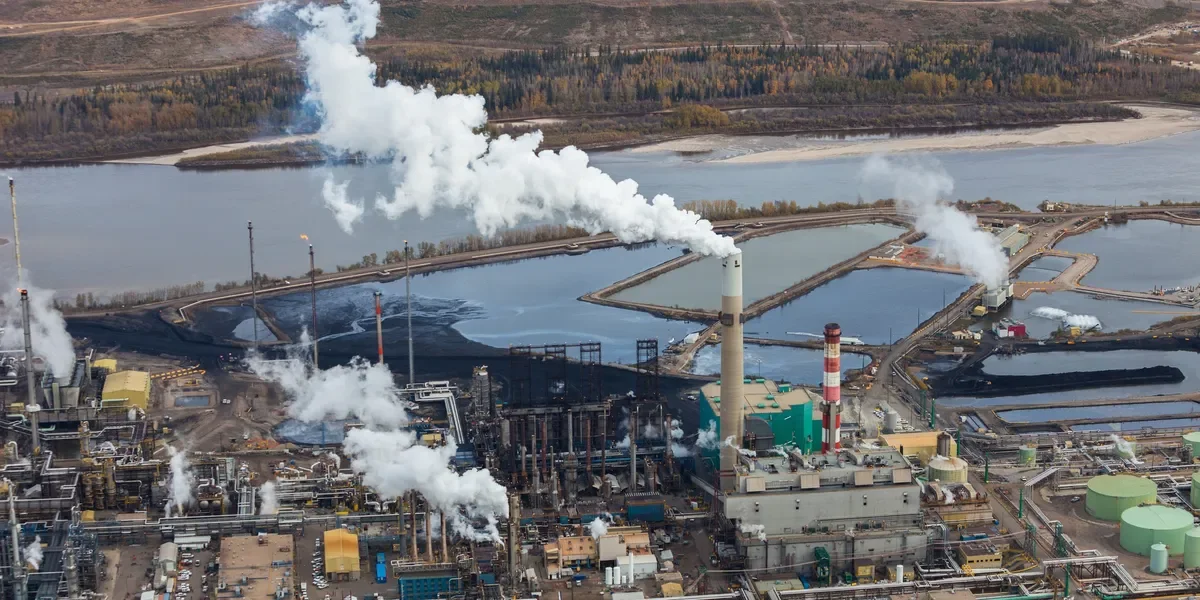
Engineered in Canada.
Built for Industrial Reality.
Hawman is a manufacturer and fabricator with over 40 years of IBC experience.
Every industrial IBC container is designed, fabricated, and assembled in house at our Ontario manufacturing facilities.
What this means for your operation:
Faster lead times with no third-party delays
Custom engineering without manufacturing bottlenecks
Consistent build quality and fabrication control
Designed for real mining and industrial conditions
Long-term reuse and lifecycle performance focus
Built for Oil & Gas Operations Where Standard Containers Fail
Oil and gas environments require more than standard storage solutions. Hawman IBC containers are engineered for demanding field conditions including remote drilling sites, refinery operations, and continuous industrial handling cycles.
Our oil & gas IBC systems are commonly used for:
Remote drilling site logistics and fuel distribution
Oilfield service operations and chemical handling
Refinery and processing facility liquid transfer systems
Bulk fuel and lubricant transport in rugged environments
Continuous industrial fluid handling applications
These are not general-purpose containers. They are engineered industrial systems designed for oilfield performance, safety, and durability.
UN-Certified IBC Containers for Fuel, Chemicals & Regulated Transport
Hawman supplies UN-certified IBC systems designed for regulated industrial liquid handling under applicable frameworks including UN packaging requirements and Canadian TDG (Transportation of Dangerous Goods) regulations.
Our IBC systems are commonly used for:
Fuel and diesel transport in oilfield supply chains
Lubricants and industrial oils
Chemical and production fluid handling
Hazardous material storage and transfer
TDG-compliant industrial liquid transport in Canada
Each system is selected and configured based on material classification, application, and regulatory requirements.
Note: Certain regulated materials require specific packaging approvals depending on classification and are not universally suitable for all IBC configurations.
Oil & Gas Fuels, Lubricants & Industrial Liquids Applications
UN-certified IBC containers are widely used across oil & gas and energy sectors for regulated liquid transport, including:
Diesel and fuel oils used in field operations
Hydraulic fluids and lubricants
Production chemicals and additives
Industrial cleaning and treatment chemicals
Drilling and service-related fluids
These systems are designed to support safe handling, operational efficiency, and compliance where applicable across energy supply chains.

Engineered for oilfield operations, fuel systems, and industrial energy environments where reliability is critical.
Why Oil & Gas Operators Choose Hawman IBC Solutions
Hawman Container Services is not a distributor or reseller. Every IBC system is designed, engineered, and manufactured in-house, giving complete control over quality, customization, and lead times.
Unlike standard container suppliers, Hawman builds IBC solutions for real industrial environments where equipment failure, leakage risk, and downtime are unacceptable.
In-House Manufacturing Control
All fabrication, welding, and assembly is completed within Hawman’s Ontario facilities, allowing tighter quality control, consistent build standards, and faster turnaround on both standard and custom IBC systems.
Built for Real Oilfield Conditions
Our IBC containers are designed for continuous industrial use in oil & gas, energy, and remote field environments where exposure to vibration, corrosion, and harsh weather is constant.
Custom Engineering Without Delays
Hawman supports application-specific modifications including valves, fittings, structural configurations, and material compatibility adjustments without external manufacturing delays.
Designed for Lifecycle Performance
Rather than short-use packaging, Hawman IBC systems are engineered for long-term reuse, repairability, and reconditioning to reduce total operational cost.
Responsive Technical Support
Clients work directly with technical and engineering teams to ensure container selection, configuration, and compliance alignment is correct before production begins.

40+ Years of IBC Expertise
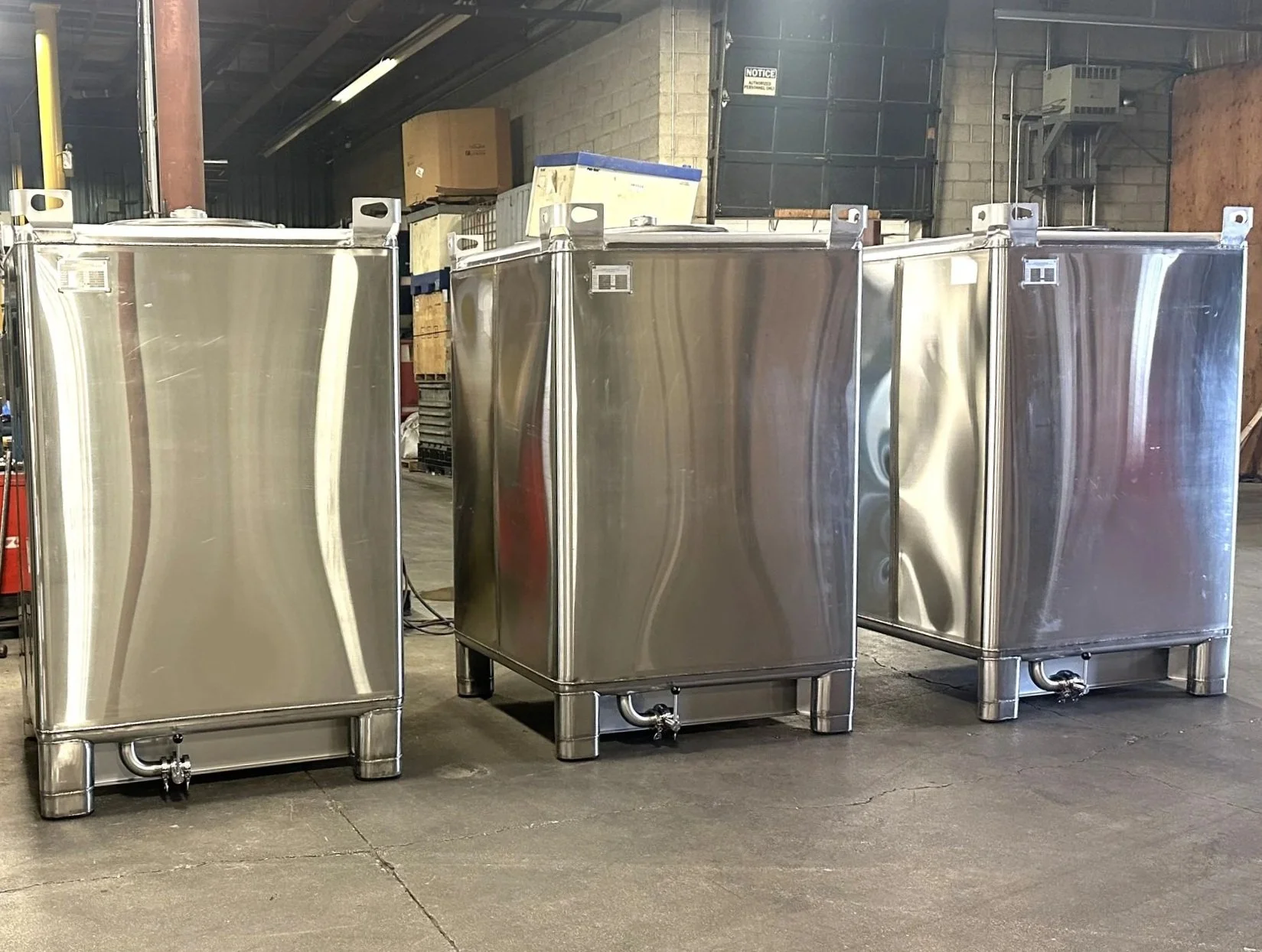
Custom Engineered IBC Containers for Oil & Gas Operations
Not all oil & gas operations can be supported with standard configurations. Hawman designs custom IBC systems engineered for specific field and industrial requirements.
Custom solutions may include:
Application-specific discharge systems
Steel or composite container builds
Remote-site operational modifications
Chemical compatibility engineering
Regulated transport design support
Need a custom oilfield IBC? Talk to our engineering team.

Heavy-Duty Industrial IBC Systems Built for Extreme Environments
Hawman IBC solutions are designed for long-term performance in demanding conditions:
Corrosive chemical exposure environments
High-frequency transport cycles
Remote oilfield logistics and supply chains
Heavy industrial handling conditions
Long-term reusable container applications
Trusted Across Oil & Gas & Energy Supply Chains
Hawman IBC systems are used across oil & gas, energy, chemical processing, and industrial logistics applications requiring reliability, compliance, and engineered performance.
Regulatory Compliance for Oil & Gas Transport
Oil & gas operations must follow applicable regulatory frameworks, including:
UN packaging requirements
Canadian TDG regulations
International dangerous goods transport standards
Proper material classification and container selection are essential for safe and compliant operations.

Request a Quote or Speak With an IBC Specialist Today
Contact Hawman Container Services to speak directly with an IBC specialist and get a certified intermediate bulk container built for your exact operational requirements. Whether you're ready to purchase or need guidance selecting the ideal IBC tanks, our team will provide expert recommendations, accurate specs, and fast pricing.
Frequently Asked Questions
-
A UN-certified IBC container is used for the safe transport and storage of regulated industrial liquids and chemicals that fall under hazardous or controlled classifications. In mining and industrial operations, these containers are commonly used for materials such as fuel oils, chemical reagents, acids, and emulsions. The UN certification indicates that the container has been tested to meet international performance standards for strength, leak resistance, stacking ability, and transport safety under regulated conditions.
-
Yes. UN-certified IBC containers can be used for diesel fuel, fuel oils, and lubricants when they meet the required UN packaging standard and comply with Canadian TDG (Transportation of Dangerous Goods) regulations. The exact approval depends on the container design and the classification of the fuel being transported.
-
The best IBC containers for oil and gas applications are UN-certified steel or composite IBC totes designed for industrial liquid handling. These are commonly used for diesel, hydraulic oil, lubricants, and production chemicals in oilfield and energy operations where durability and regulatory compliance are required.
-
Oil and gas IBC containers typically require UN certification under UN 31A, UN 31B, or UN 31N standards depending on whether they are steel, composite, or plastic-based designs. The correct UN rating depends on the material being transported and its hazardous classification.
-
Oilfield IBC containers are commonly used for diesel fuel, crude-related fluids, drilling additives, hydraulic oils, lubricants, industrial cleaners, and production chemicals. Compatibility must always be confirmed based on chemical resistance and UN classification.
-
Yes. IBC containers are widely used in oilfield logistics for remote drilling sites, refinery operations, and field service applications. They are commonly used for fuel distribution, chemical handling, and fluid transfer in harsh and remote environments.
-
Steel IBC containers are typically used in oil and gas applications requiring high durability, chemical resistance, and long service life. Composite IBCs are used for specific chemical compatibility needs depending on the material being transported and operational requirements.
-
Yes. UN-certified IBC containers are designed for hazardous liquid transport, including fuels, oils, and regulated industrial chemicals. They must comply with UN packaging requirements and TDG regulations in Canada for safe transport.
-
IBC containers used in oil and gas operations must comply with Canadian TDG (Transportation of Dangerous Goods) regulations, as well as UN packaging standards for hazardous materials. Compliance depends on the material classification and container certification.
-
The lifespan of an IBC container depends on usage, material type, and maintenance. In oil and gas operations, properly maintained steel or UN-rated IBCs can be reused for many years if they are regularly inspected, cleaned, and recertified according to applicable standards.
-
Yes. IBC totes are commonly used in remote oilfield operations for temporary fuel storage and transport. They are designed for rugged environments, including vibration, temperature fluctuations, and long-distance logistics.
-
IBC containers must be cleaned and inspected according to regulatory standards. Recertification typically involves structural inspection, valve and seal checks, and verification that the container still meets UN and TDG compliance requirements for reuse.
-
The most common size used in oil and gas operations is the 1000L (275–330 gallon) IBC tote, though custom sizes and configurations are also used depending on operational requirements and transport restrictions.
-
Yes. When used for regulated fuels, oils, or chemicals, IBC containers are classified as dangerous goods packaging and must meet UN certification and TDG compliance requirements for transport and storage.
-
Stacking depends on the specific UN design type and manufacturer specifications. Some steel IBC containers are designed for stacking under load, while others require single-layer storage depending on safety and regulatory limits.