
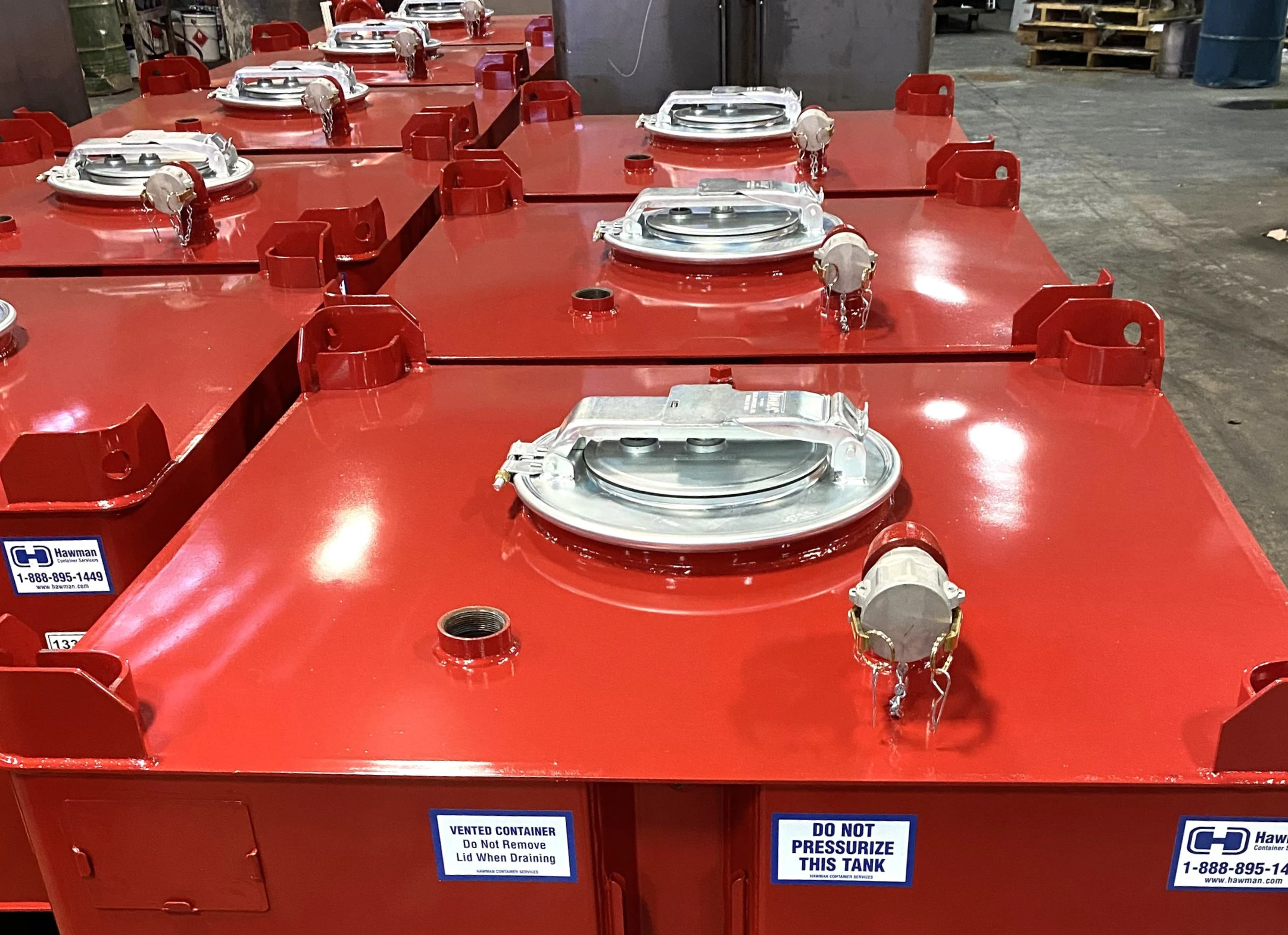
UN-Certified IBC Containers for Mining & Explosive Materials Transport
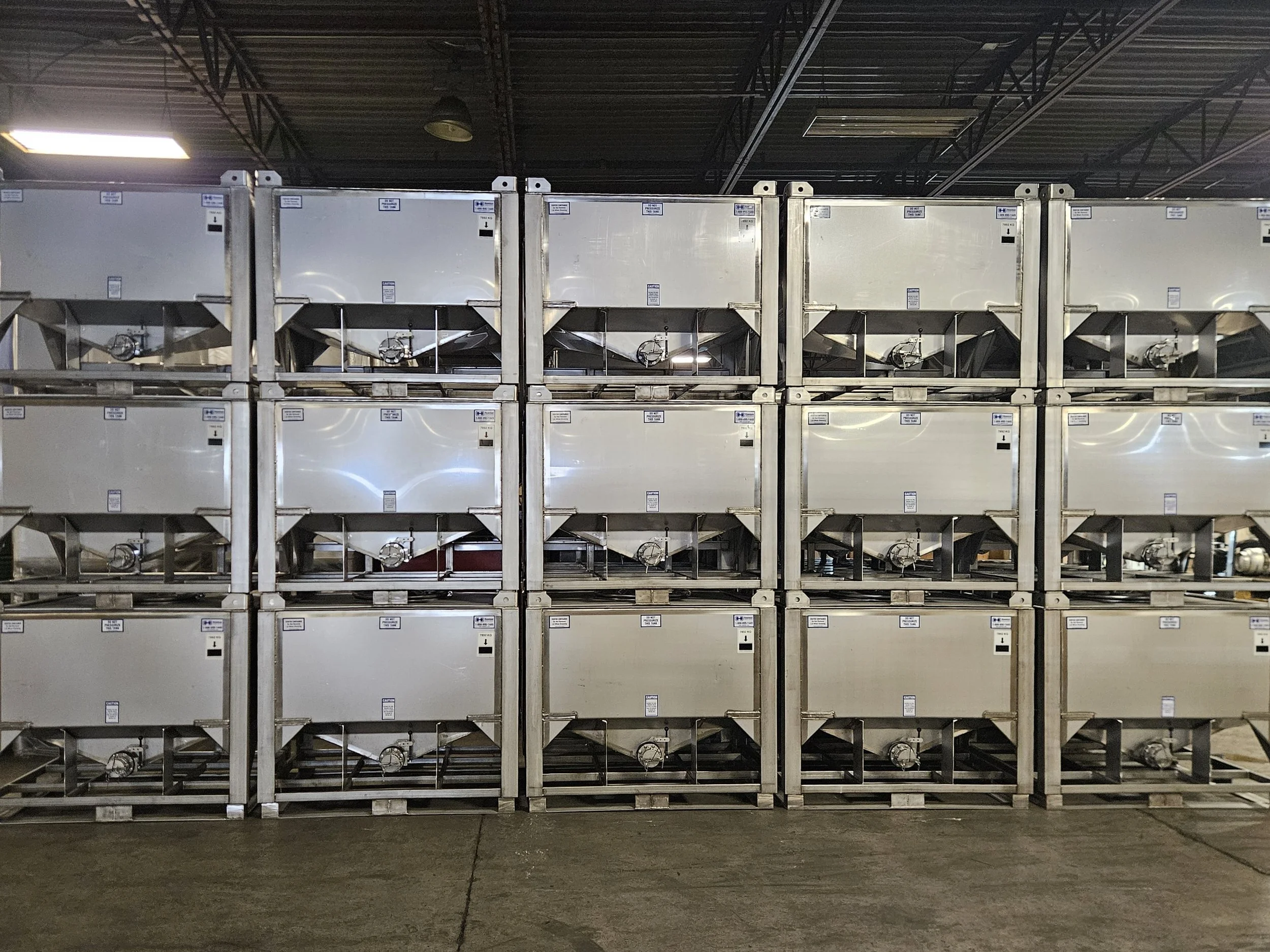
Heavy-Duty IBC Solutions Built for Mining, Energy & High-Risk Material Handling Worldwide
Mining operations require safe, compliant, and rugged bulk handling systems for chemicals, fuels, emulsions, and industrial liquids. Hawman Container Services manufactures and supplies UN-certified intermediate bulk containers (IBCs) designed specifically for demanding mining environments — from Canadian remote sites to global extraction operations.



Industrial-Grade Mining IBC Containers Built for Dangerous Goods, Chemicals & Emulsion Applications
Hawman Container Services supplies heavy-duty intermediate bulk containers (IBCs) engineered for mining operations, hazardous materials handling, and industrial chemical transport across Canada and global remote locations.
Mining operations require far more than standard storage solutions. They require durable, compliant, and engineered IBC systems capable of handling dangerous goods, corrosive chemicals, and high-viscosity materials in extreme environments.
Mining IBC Containers for Heavy-Duty Industrial Applications
Mining IBC containers are used to store and transport industrial liquids such as chemicals, fuels, lubricants, emulsions, and process reagents used in extraction and processing operations.
Hawman Container Services designs mining IBC containers for:
Remote mining site logistics
Underground and open-pit operations
Chemical and reagent distribution systems
Bulk liquid transport in harsh environments
Continuous industrial handling cycles
These are industrial-grade IBC totes built for mining environments, not general-purpose containers.
Hazardous Goods & Dangerous Materials Transport IBC Solutions
Mining operations frequently involve hazardous goods and regulated industrial materials, requiring strict compliance with transport and handling standards.
IBC containers used in these applications must support frameworks such as UN, TDG (Canada), and other international dangerous goods regulations depending on jurisdiction and material classification.
Hawman Container Services provides UN-certified IBC container systems suitable for:
Dangerous goods transport containers
Hazardous material storage and transfer
Chemical transport in mining operations
Regulated industrial liquid handling
TDG-compliant container applications in Canada
However, it is important to note that not all explosive materials fall under IBC transport suitability.
Finished Class 1 explosive articles such as detonators, blasting agents, and packaged explosives require purpose-built certified packaging systems specific to that classification.
UN-Certified IBC Containers for Mining Chemicals, Fuels & Reagents
UN-certified IBC containers are widely used across mining operations for transporting regulated industrial liquids including:
Ammonium nitrate precursors
Fuel oils and diesel additives
Chemical reagents and processing fluids
Industrial acids and treatment chemicals
Emulsion-based mining materials
These UN certified IBC containers for mining applications are engineered to reduce risk during transport, improve handling efficiency, and support compliance across regulated supply chains.
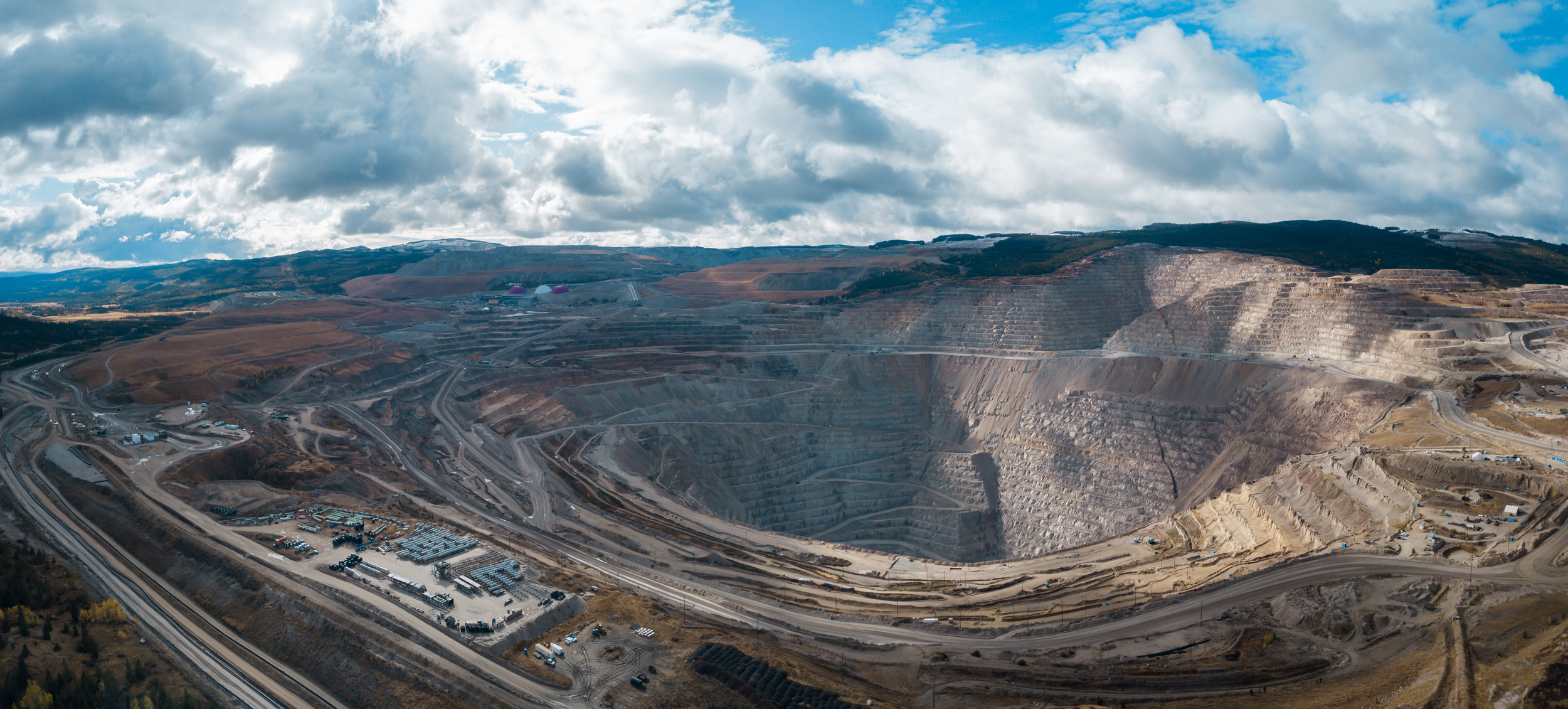
Heavy-Duty Industrial IBC Tanks Built for Extreme Environments
Mining and industrial operations require heavy-duty IBC containers capable of withstanding repeated handling, vibration, corrosion, and long-distance transport.
Hawman Container Services provides industrial-grade IBC systems designed for:
Corrosive chemical environments
High-frequency transport cycles
Remote supply chain logistics
Heavy industrial handling conditions
Long-term reusable container systems
These systems are widely used across mining, chemical processing, and industrial logistics sectors.
Custom Engineered IBC Containers for Mining Operations
Not all mining operations can be supported with standard container configurations.
Hawman Container Services designs custom IBC containers for mining applications, including:
Application-specific discharge systems
Custom steel and composite container builds
Remote-site operational modifications
Chemical compatibility engineering
Regulated transport design support
Request a Custom Mining IBC Solution
If your operation requires specialized mining IBC containers or dangerous goods transport solutions, Hawman can engineer a system for your exact application.
Regulatory Compliance for Dangerous Goods Transport in Canada & Global Mining
Transporting hazardous materials in mining operations requires strict adherence to regulatory frameworks including:
UN packaging requirements
Canadian TDG (Transport of Dangerous Goods) regulations
International dangerous goods transport standards
Understanding compliance requirements is essential when selecting dangerous goods IBC containers for mining operations.
FAQ: Mining IBC Containers, Hazardous Goods & Industrial Transport
What is a UN certified IBC container used for?
A UN certified IBC container is used for the safe transport and storage of regulated industrial liquids and chemicals that fall under hazardous or controlled classifications. In mining and industrial operations, these containers are commonly used for materials such as fuel oils, chemical reagents, acids, and emulsions. The UN certification indicates that the container has been tested to meet international performance standards for strength, leak resistance, stacking ability, and transport safety under regulated conditions.
What is the difference between UN rated and non-UN IBC containers?
The main difference between UN rated and non-UN IBC containers is regulatory approval for transporting hazardous materials. UN rated IBCs are tested and certified to meet international standards for dangerous goods transport, meaning they can be used in regulated supply chains such as mining, chemical processing, and fuel distribution. Non-UN containers, on the other hand, are typically used for general industrial liquids that do not fall under dangerous goods classifications and therefore are not approved for regulated transport.
Are IBC containers considered dangerous goods packaging?
IBC containers themselves are not classified as dangerous goods, but certain UN certified IBCs are approved as packaging systems for dangerous goods. Whether an IBC is suitable depends on its certification, construction, and the specific material being transported. In mining operations, this distinction is important because some chemicals and fuels require regulated packaging while others do not, and the correct container must match the material classification under transport regulations.
What types of chemicals can be transported in IBC containers?
IBC containers are commonly used to transport a wide range of industrial chemicals including mining reagents, processing acids, fuel oils, lubricants, and emulsions. The suitability of a specific chemical depends on compatibility with the container material as well as regulatory classification under transport laws. In mining environments, IBCs are frequently used because they offer a controlled, sealed system for bulk liquid handling in both remote and industrial settings.
Are IBC containers approved for transporting fuel or diesel?
Yes, certain UN certified IBC containers are approved for transporting fuel and diesel, provided they meet the required regulatory standards and material compatibility guidelines. These containers are widely used in mining and remote operations where fuel needs to be transported safely over long distances and stored on-site. Approval depends on the specific certification of the container and adherence to applicable dangerous goods transport regulations.
What is the lifespan of an industrial IBC container?
The lifespan of an industrial IBC container depends on its material construction, usage environment, and maintenance practices. Steel and composite IBCs used in mining applications are designed for repeated industrial use and can last for many years when properly maintained. However, exposure to corrosive chemicals, harsh handling conditions, and frequent transport cycles can reduce service life over time, making inspection and lifecycle management an important part of industrial operations.
Can IBC containers be used in underground mining operations?
Yes, IBC containers are commonly used in underground mining operations for transporting and storing chemicals, emulsions, and industrial fluids. In these environments, low-profile and durable designs are especially important due to height restrictions, limited space, and demanding handling conditions. Specialized designs such as hopper-bottom steel IBCs are often used to improve discharge efficiency and ensure safe handling in confined underground areas.
What is the difference between composite and steel IBC containers?
Composite IBC containers typically consist of a plastic inner bottle supported by an external steel cage, making them lightweight and cost-effective for many industrial applications. Steel IBC containers, on the other hand, are fully metallic and offer greater durability, chemical resistance, and structural strength, making them more suitable for heavy-duty mining, emulsion handling, and harsh industrial environments. The choice between them depends on the type of material being transported and the operating conditions.
What regulations apply to hazardous material transport in Canada?
In Canada, hazardous material transport is primarily regulated under the Transport of Dangerous Goods Act and associated regulations, which set requirements for packaging, labeling, handling, and documentation. UN certified IBC containers used in mining and industrial applications must meet these requirements when transporting regulated substances. Compliance ensures that materials are safely handled throughout the supply chain, particularly in high-risk environments such as mining operations and chemical processing facilities.
Are IBC containers reusable for industrial chemicals?
Yes, many IBC containers are designed to be reusable for industrial chemical applications, provided they are properly cleaned, inspected, and maintained between uses. Reusable IBC systems are widely used in mining and industrial sectors because they offer long-term cost efficiency and reduce waste. However, reuse depends on material compatibility, regulatory requirements, and whether the container has been exposed to substances that require specific decontamination procedures.
What size IBC container is used in mining operations?
The most commonly used IBC container size in mining operations is typically around 1000 litres, although specialized applications may require different configurations depending on material type and handling requirements. In underground and remote mining environments, container design is often more important than size alone, with factors such as height, discharge system, and structural durability playing a critical role in suitability.
How are emulsions transported in mining operations?
Emulsions in mining operations are typically transported using specialized intermediate bulk containers designed to handle high-viscosity materials safely and efficiently. These containers often feature hopper-bottom designs and controlled valve systems to ensure smooth discharge at the point of use. Because emulsions are used in sensitive applications such as blasting preparation, transport systems must prioritize stability, containment, and regulatory compliance throughout the supply chain.
What makes an IBC container suitable for harsh environments?
An IBC container is suitable for harsh environments when it is constructed from durable materials such as stainless steel or reinforced composite systems and designed to withstand extreme temperatures, vibration, corrosion, and heavy handling. In mining operations, suitability also depends on design features such as low-profile geometry, reinforced frames, and reliable discharge systems that support repeated use in remote and demanding conditions.
Can IBC containers be stacked when full?
Certain IBC containers are designed to be stacked when full, provided they meet structural load ratings and are used within their certified limits. This capability is particularly important in mining and industrial logistics where space efficiency is critical. However, stacking must always be done according to manufacturer specifications and regulatory guidelines to ensure safe handling and transport.
What is the difference between bulk containers and IBC totes?
Bulk containers is a general term used to describe large-capacity storage and transport systems for liquids or solids, while IBC totes are a specific type of intermediate bulk container designed for standardized industrial use. IBC totes are widely used because they offer regulated sizing, compatibility with transport systems, and standardized handling features, making them especially common in mining, chemical, and industrial logistics applications.
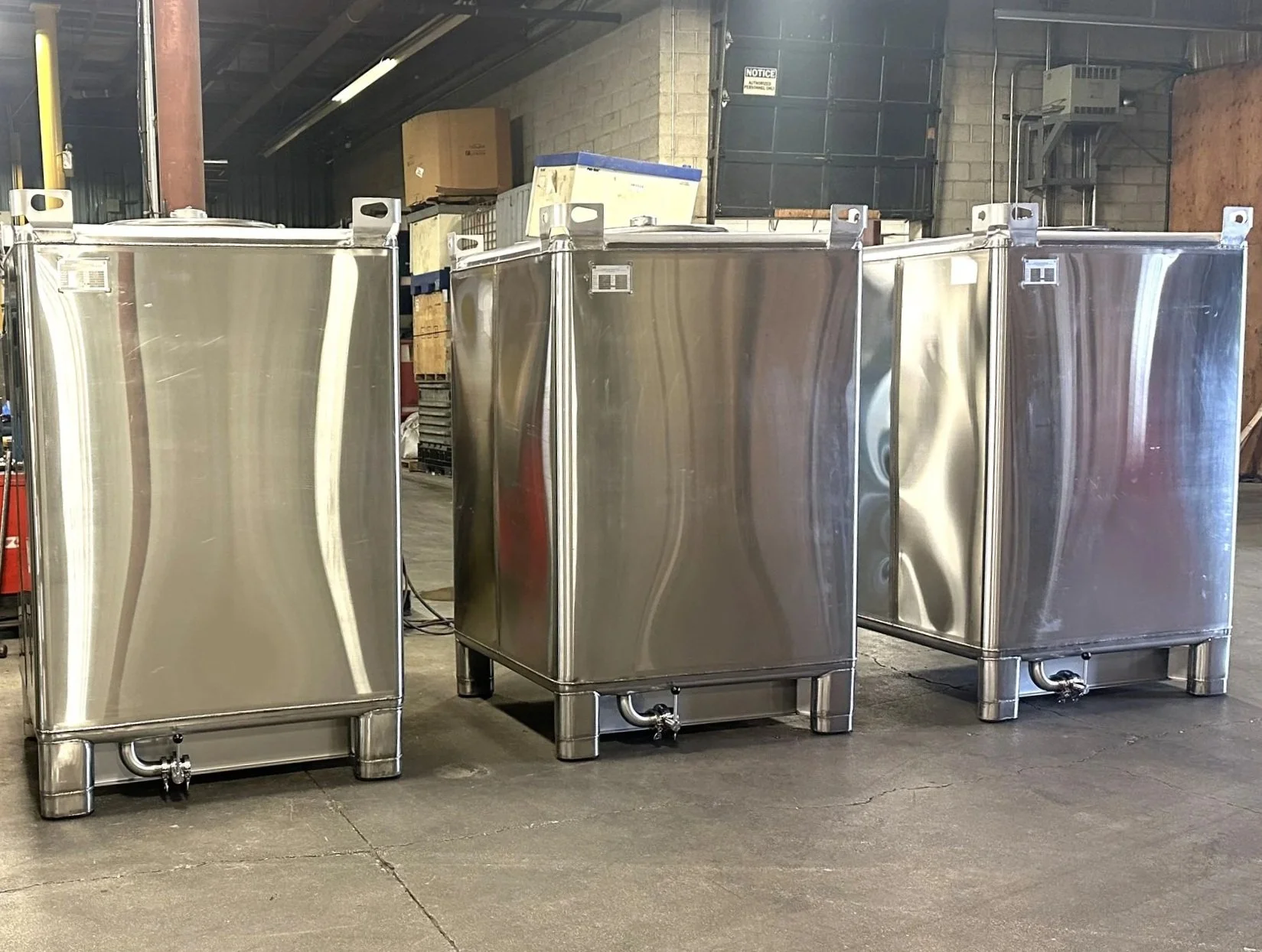
Built to Last, Built for Performance
Hawman Container Services’ Metal Steel IBC tanks withstand harsh industrial environments and repeated use for decades, delivering unmatched reliability and long-term value.
Why Hawman Metal IBC Totes Lead the Industry
UN31A & UN31HA Certified

Designed & Manufactured to CAN/CGSB-43.146
ISO 9001 Certified Manufacturing
Engineering Support
100,000+ sq. ft. In-House Fabrication
Engineered for Total Drain & Cleanability
Custom Valve & Fill Configurations Available
Built for Demanding Applications
Engineered for Long-Term Durability in Demanding Environments
Built In-House for Maximum Quality & Faster Lead Times
Custom Modifications Available
Worldwide Shipping Including Remote Locations

40+ Years of IBC Expertise
Need a Custom Metal IBC Tank?
If your application requires non-standard dimensions, specialized fittings, unique closures, or regulatory customization, Hawman’s engineering team can design and manufacture a custom steel IBC tank tailored to your exact requirements. Talk to our experts to discuss your custom metal IBC tote needs and receive a solution built specifically for your operation.

What Are Metal IBC Totes?
Metal IBC tanks, also referred to as metal IBC totes, steel IBC tanks, or metallic IBC containers, are rigid, reusable intermediate bulk containers constructed from steel alloys to store, handle, and transport industrial liquids and materials. Compared to plastic or composite options, metallic IBC tanks offer superior strength, structural integrity, and extended service life, making them ideal for heavy‑duty applications where durability, chemical resistance, and frequent reuse are paramount.
At Hawman Container Services, our metal IBC totes are precision‑fabricated from robust steel materials — including carbon steel and stainless steel variants — to handle a wide range of densities, chemical properties, and operational environments. From fuels and lubricants to corrosive chemicals and food‑grade liquids, metal IBCs are among the most trusted and long‑lasting bulk containment solutions used by process engineers, logistics teams, and industrial operators.
Steel IBC Tanks: Materials That Deliver Strength and Versatility
Steel IBC tanks are built from metal alloys that are chosen for their specific mechanical properties and compatibility with various contents:
Carbon Steel: Highly robust and cost‑effective, carbon steel provides excellent mechanical strength and impact resistance for heavy industrial applications, including petroleum‑based fluids, solvents, and other dense liquids.
304L Stainless Steel: A corrosion‑resistant stainless grade suited for chemical handling, food‑grade liquids, and applications where sanitation and cleanability matter.
316L Stainless Steel (Optional): Offers enhanced corrosion resistance and strength at elevated temperatures, making it ideal for aggressive chemical environments and long‑term service.
Unlike lighter materials, metallic IBC tanks maintain structural rigidity under stress, minimize deformation under load, and can withstand repeated handling, stacking, and transport cycles with minimal maintenance. Their solid construction also supports better leak integrity, longer lifecycle value, and improved safety margins for regulated cargo.
Industrial Applications for Metal Intermediate Bulk Containers
Metal IBC tanks from Hawman Container Services are engineered to perform in real industrial conditions — from fixed plant installations to remote field operations. Typical applications include:
Fuel & Diesel Storage: Durable steel IBC tanks for diesel, fuel oil, and other petroleum‑based liquids.
Lubricants & Oils: Long‑lasting storage for industrial greases, hydraulic fluids, and lubricant blends.
Chemical Storage: Safe containment for corrosive and hazardous chemicals, acids, caustics, solvents, and reagents.
Flammable Liquids: Certified containment for Class III flammables and regulated transport applications.
Food & Beverage: Food‑grade metal IBC totes for edible oils, food additives, and process liquids requiring sanitary construction.
Water Systems: Heavy‑duty metallic IBCs used for potable water storage, processing fluids, and washdown operations.
Wherever bulk storage and transport needs require strength, reliability, and regulatory confidence, metal intermediate bulk containers remain a preferred solution for engineers and operations teams alike.
How Metal IBC Tanks Compare to Other IBC Types
Many suppliers offer composite or polyethylene IBC totes, which excel at lightweight handling or corrosion resistance for specific chemistries. However, metal IBC tanks outshine other formats when strength, reuse, load integrity, and long service life are priorities. Compared to plastic or composite IBCs:
Greater Structural Strength: Steel resists impact, deformation, and mechanical stress better than many polymers.
Superior Heat & Pressure Resistance: Metal IBCs handle temperature fluctuations and pressure differentials more reliably.
Durability and Longevity: Designed for decades of regular use in industrial environments.
Sanitary & Cleanable: Stainless steel options allow thorough cleaning and sanitization for food, beverage, and sensitive chemistries.
For operations with heavy handling, forklift movement, stacking, and frequent transport, steel IBC tanks minimize replacement cycles and maximize uptime — delivering lower total cost of ownership.
Regulatory Standards & Certifications for Metal IBCs
Hawman Container Services’ metal IBC tanks are constructed to meet rigorous regulatory requirements for transportable containment systems. Certified UN31A tanks are designed to comply with international dangerous goods transport regulations, providing reassurance for hazardous and flammable liquid applications.
Our ISO 9001:2015 certified manufacturing system ensures consistent quality and traceability throughout the production process, from material sourcing to final testing and delivery.
Optimized for Logistics, Storage & Reuse
Metal IBC tanks are inherently shaped to integrate seamlessly into industrial workflows: their cubical form matches standard pallet footprints, enabling easier storage, stacking, and transport. Heavy‑duty steel construction promotes reuse for decades, and at the end of service life, steel recycling further reduces lifecycle environmental impact.
Whether stacking in warehouses, moving between plants, or shipping across borders, Hawman Container Services metal IBC tanks deliver performance, versatility, and peace of mind.

Request a Quote or Speak With an IBC Specialist Today
Contact Hawman Container Services to speak directly with an IBC specialist and get a certified intermediate bulk container built for your exact operational requirements. Whether you're ready to purchase or need guidance selecting the ideal IBC tanks, our team will provide expert recommendations, accurate specs, and fast pricing.