
Hazardous Materials Handling & Storage Regulations in Canada
Compliance Guidelines, Standards & Industry Requirements
Ensuring compliance with hazardous materials handling and storage regulations is critical for workplace safety, environmental protection, and avoiding costly penalties. At Hawman, we help organizations navigate complex regulatory frameworks while providing solutions that meet or exceed Canadian safety standards.
This page outlines the key regulations, codes, and requirements that businesses must follow when handling, storing, and transporting hazardous materials in Canada.
Key Regulatory Bodies & Compliance Standards
Businesses working with hazardous materials must comply with a range of federal and provincial regulations. The most important include:
Transport Canada – Dangerous Goods (TDG Regulations)
Transportation of Dangerous Goods Regulations (TDG)
Transportation of Dangerous Goods Act
The Transportation of Dangerous Goods (TDG) Regulations govern how hazardous materials are:
Classified
Packaged
Labeled
Transported
These regulations apply to all industries handling dangerous goods across Canada.
Intermediate Bulk Containers (IBCs) Requirements
Transport Canada IBC Guidelines
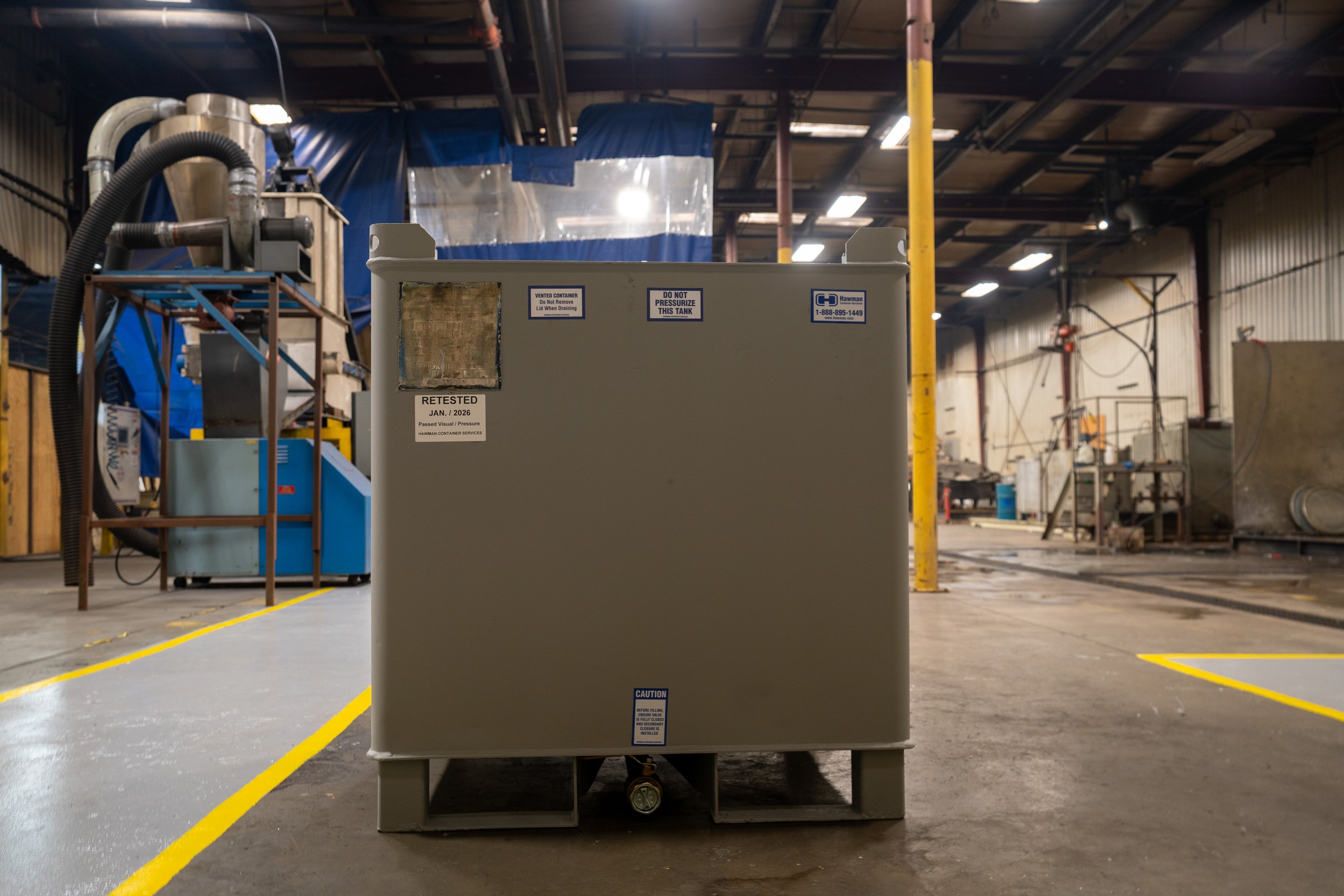
Intermediate Bulk Containers (IBCs) are commonly used for transporting and storing hazardous liquids and solids.
Key compliance requirements include:
UN-approved container specifications
Periodic inspection and testing
Proper labeling and hazard identification
Compatibility with stored materials
Reference: https://tc.canada.ca/en/dangerous-goods/containers/intermediate-bulk-containers-ibcs
Workplace Hazardous Materials Information System (WHMIS)
WHMIS ensures that workers have the information they need to safely handle hazardous products.
Requirements include:
Safety Data Sheets (SDS)
Proper labeling
Employee training programs
Environment and Climate Change Canada (ECCC)
ECCC regulates environmental impacts related to hazardous substances, including:
Spill reporting requirements
Storage regulations
Environmental protection compliance
Provincial & Municipal Regulations
Depending on your location, additional rules may apply, including:
Fire codes
Spill containment requirements
Storage limits and zoning restrictions
Hawman Compliance Focus Areas
Hawman solutions are designed to help businesses meet regulatory requirements in the following areas:
1. Safe Storage of Hazardous Materials
Secondary containment systems
Proper container selection (including IBC compatibility)
Segregation of incompatible substances
2. Spill Prevention & Containment
Spill kits and emergency response readiness
Containment berms and systems
Compliance with environmental spill regulations
3. Transportation Readiness
TDG-compliant packaging and labeling
Secure transport solutions
Documentation and handling procedures
4. Workplace Safety & Training Support
WHMIS-aligned practices
Hazard communication systems
Safe handling protocols
Hazardous Materials Compliance Checklist
Use this checklist to ensure your operations align with Canadian regulations:
Are your containers UN-certified for transport?
Are your IBCs inspected and recertified on schedule?
Do your storage systems meet fire code requirements?
Do you have proper spill containment measures in place?
Are your employees WHMIS-trained?
Do your tanks meet CSA or API standards where required?
Why Regulatory Compliance Matters
Failure to comply with hazardous materials regulations can result in:
Fines and legal penalties
Workplace injuries
Environmental damage
Operational shutdowns
Partnering with Hawman ensures your systems are designed with compliance in mind—reducing risk while improving operational efficiency.
How Hawman Helps You Stay Compliant
We don’t just supply products—we help you align with regulations:
Guidance on compliant storage solutions
Assistance selecting approved containers (including IBCs)
Spill containment planning
Industry-specific compliance recommendations
Additional Safety, Fire & Engineering Standards
To fully comply with hazardous materials regulations in Canada, businesses must also consider industry-specific codes and standards that govern storage systems, tanks, and engineered equipment.
Ontario Fire Code (O. Reg. 213/07)
Ontario Fire Code
The Ontario Fire Code regulates the storage and handling of flammable and combustible liquids.
Key requirements include:
Approved storage containers and tanks
Secondary containment systems
Separation distances between materials
Ventilation and fire protection systems
Occupational Health and Safety Act (OHSA – Ontario)
Occupational Health and Safety Act
This legislation ensures worker safety when handling hazardous materials.
It includes:
Safe equipment design and use
Hazard identification and control
Worker protection procedures
CSA Standards (Canadian Standards Association)
CSA Group
CSA standards apply to:
Tank design and fabrication
Structural steel systems
Industrial equipment safety
NFPA Standards (Fire & Flammable Liquids)
National Fire Protection Association
These internationally recognized standards support fire safety and hazardous material storage.
Common examples include:
NFPA 30 (Flammable and Combustible Liquids Code)
API Standards for Storage Tanks
American Petroleum Institute
API standards, such as API 650, apply to large welded storage tanks and are commonly used in industrial applications.
Spill Reporting & Environmental Compliance
Spill reporting requirements vary by province but typically include:
Immediate reporting of hazardous spills
Proper containment systems
Emergency response planning



Frequently Asked Questions
-
The primary regulations include TDG (Transport Canada), WHMIS, and environmental regulations enforced by Environment and Climate Change Canada, along with provincial requirements.
-
Yes. Many hazardous materials require UN-approved containers, especially when being transported. This includes Intermediate Bulk Containers (IBCs) that meet strict testing and certification standards.
-
An Intermediate Bulk Container (IBC) is used for storing and transporting large volumes of hazardous liquids or solids. They must meet Transport Canada specifications and be compatible with the stored substance.
-
IBCs must be inspected periodically according to TDG regulations. This includes visual inspections and performance testing depending on usage.
-
You must provide:
Proper product labeling
Safety Data Sheets (SDS)
Worker education and training
-
Non-compliance can lead to fines, legal action, shutdowns, and increased liability in the event of an incident.
-
It depends on:
Type of material
Volume stored
Regulatory requirements
Spill risk
Hawman can help assess your needs and recommend compliant solutions.
-
While not always explicitly mandated, spill preparedness is required under environmental and workplace safety regulations. Having proper spill kits is considered best practice and often necessary for compliance.
-
Hazardous material storage in Ontario must comply with the Ontario Fire Code, Occupational Health and Safety Act, and environmental regulations related to spill prevention and containment.
-
In most cases, yes. Secondary containment is required under fire codes and environmental regulations, particularly for hazardous or environmentally harmful substances.
-
Storage tanks may need to comply with CSA standards, API standards (such as API 650), and fire safety codes depending on their use and contents.
-
Anyone involved in handling, offering for transport, or transporting dangerous goods in Canada must complete Transportation of Dangerous Goods (TDG) training.
-
Yes. IBC totes used for hazardous materials must be inspected and recertified at regular intervals to remain compliant with Transport Canada regulations.